Why Plant Protein Isn't on the Lunch Tray and How to Fix It
Every school day, hundreds of thousands of kids move through cafeteria lines that could serve them more plant protein. The research supports it. The nutritional case is solid. So why isn't it happening?
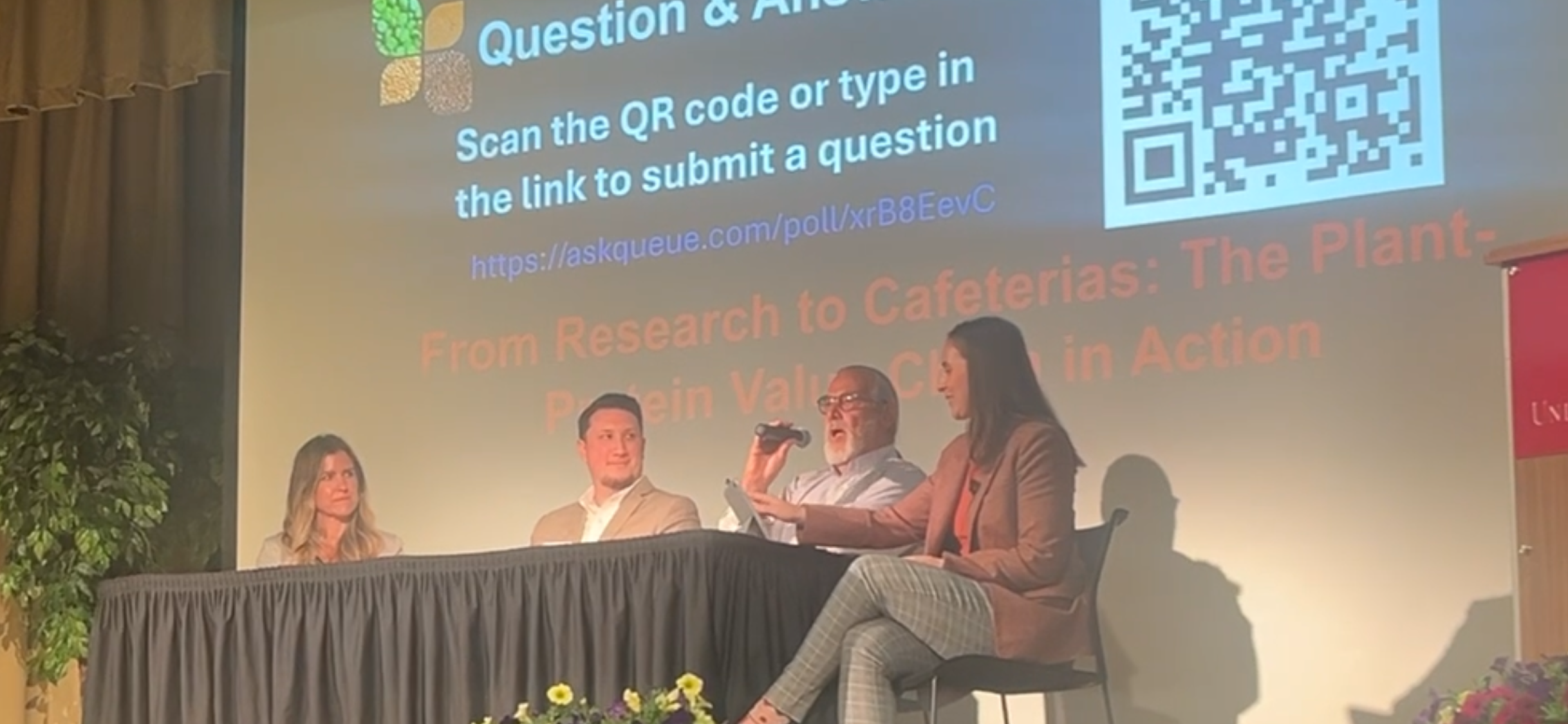
That was the central question during From Research to Cafeteria: The Plant-Based Value Chain in Action, an afternoon panel hosted by PBFI and the University of Minnesota's Plant Protein Innovation Center (PPIC) on May 21. Moderated by Chloe Waterman of Friends of the Earth, the conversation brought together Kayla Beyer (Deeply Rooted), Bertrand Weber (former director of Minneapolis Public Schools), and Jacob Slabaugh (USA Pulses). These practitioners spanned the full arc from farm to lunch tray.
The conversation returned again and again to the importance of narrative and framing. Plant-forward menus succeed when they are integrated into culture and institutional habit as a default, not presented as a special dietary option or a sustainability statement.
How to Accelerate Plant-Forward Menus in Schools
1. Supportive Districts are Foundational
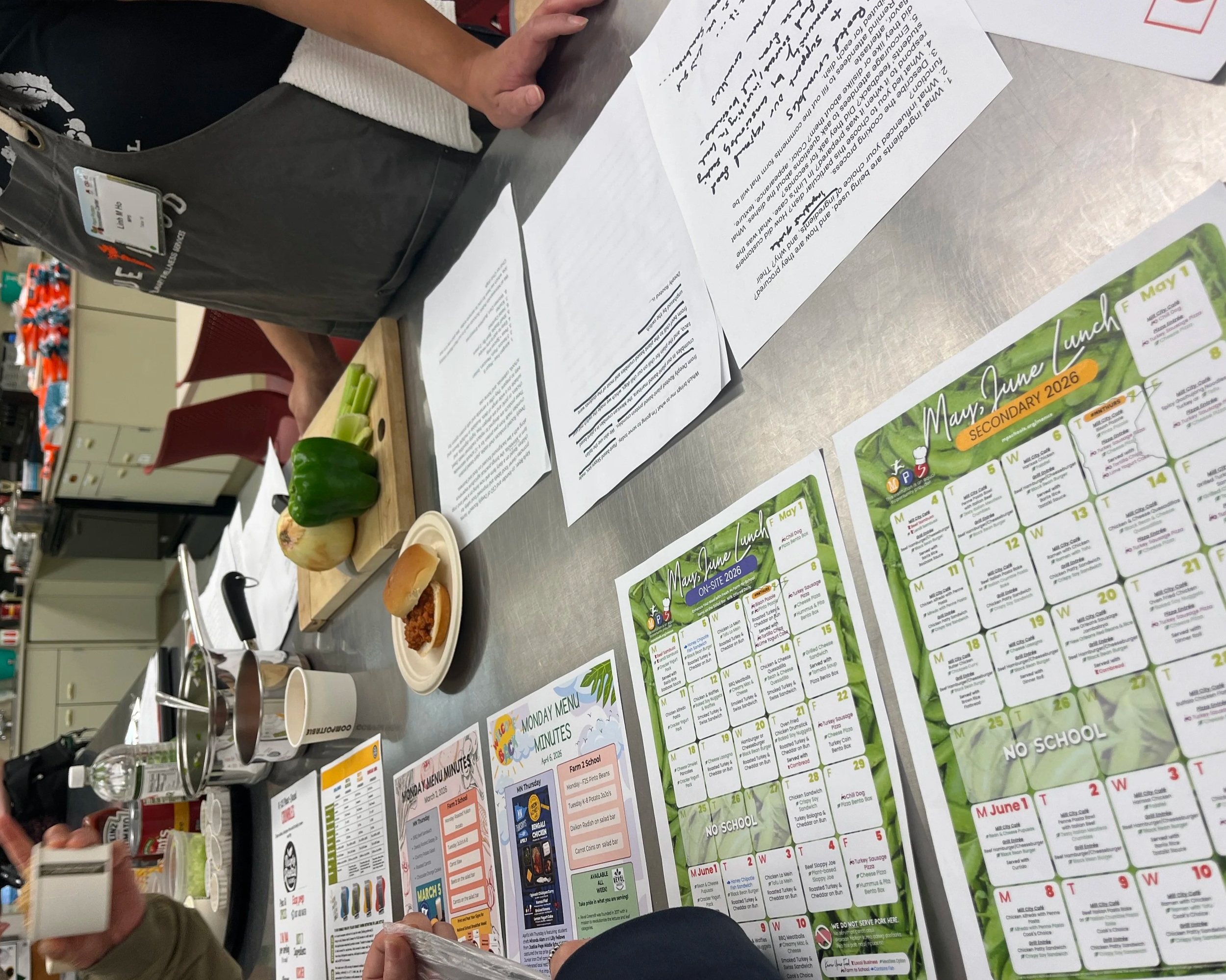
Minneapolis’ farm-to-school pipeline stood out as a case study for how other school food programs could be structured. But many districts lack the funding, a centralized kitchen that makes food prep easier, or in some cases, even stoves, which are significant barriers to adding new foods into meal cycles. Growing investment in scratch cooking infrastructure for schools was cited as a model for how procurement, culinary capacity, and ingredient sourcing can align to support more nutritious, locally sourced menus.
Photo of Minneapolis School District weekly menus featuring plant-forward and farm to school options prominently
2. Plant Proteins Need to be Easy and Adaptable
Understanding what formats work best in these different environments and how to position foods was a consistent theme. Jacob and Bertrand both emphasized the focus on providing delicious, nutritious food for students, with plant proteins as a way to deliver quality options that kids come back for. They cautioned against over-centering mimicry or replacing animal-based options. Kayla shared her experience as a food manufacturer and the barriers to adoption she encountered across school districts. While some were excited to bring on a clean-label, shelf-stable plant-based protein, others were “not ready” to embrace the concept because of the perception that it would create more work.
3. Operator Education Matters
The panel also reinforced the importance of consumer education and patience. Plant proteins have faced an unfair comparison test, held to a standard that animal proteins never were. The sector needs time and investment to build the culinary vocabulary and product portfolio that makes plant-forward eating intuitive rather than effortful.
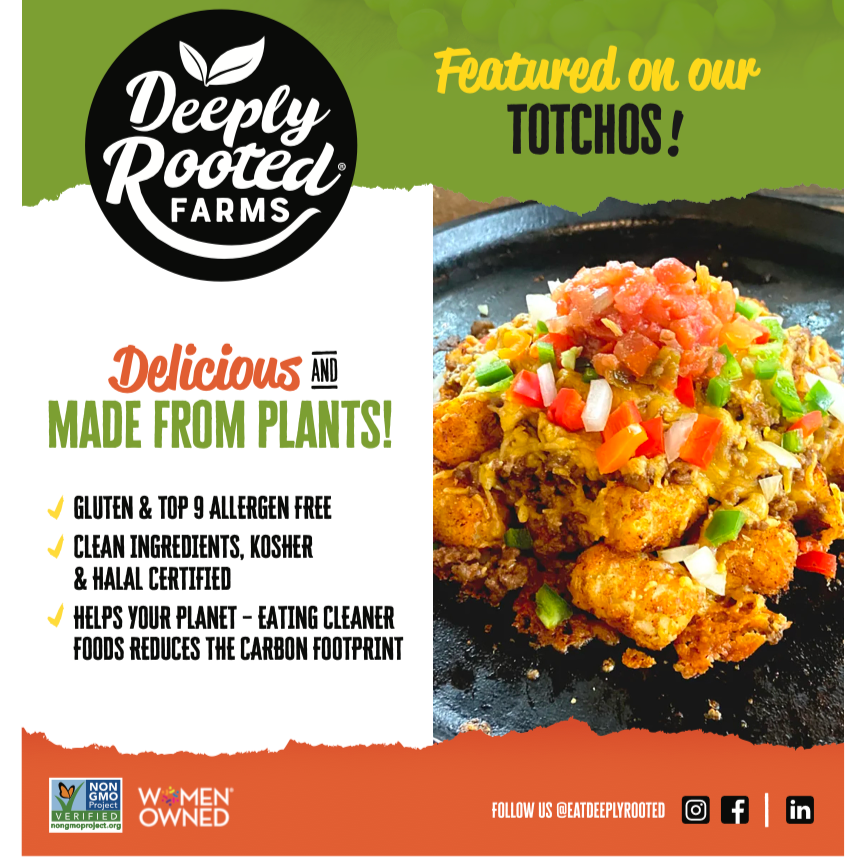
Deeply Rooted hosts a number of resources on their website include recipe ideas, posters for schools, and simple videos explaining how to cook crumbles in various kitchen set ups.
4. Processing Debate Continues
Standards for products that make it into school meals are incredibly high, but the nuance for what is considered “minimally processed” can be vague and restrictive. In some cases, tofu doesn’t qualify. Neither do carrots that have been chopped into small chunks. Jacob highlighted the opportunity to incorporate more legumes into school menus, but noted that preparing dry beans or soaking them is limiting for many schools. Kayla shared the experience of engaging with potential operators who were only interested in whole peas, rather than dehydrated pea protein crumbles, despite the simple ingredient deck of her product. Panelists agreed that feeding kids wholesome yet familiar foods was the top priority. While the processing question is highly politicized, affordably delivering as much nutrition as possible in easy formats is the conversation we need to be having.
