Value chain
development
Connecting producers to food-grade markets and building the regional supply chains that make growing plant-based crops for direct human consumption a viable business decision over the long-term.
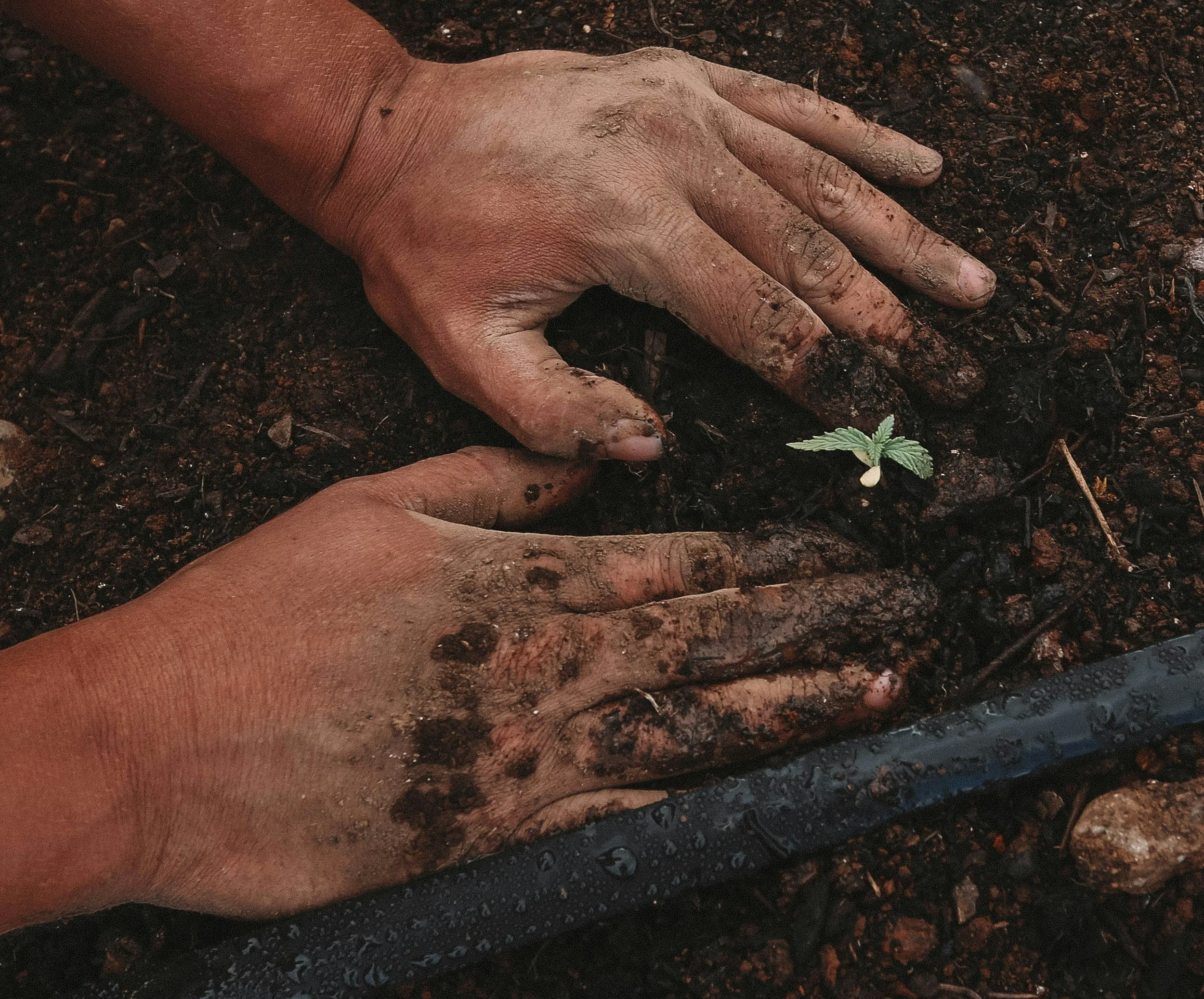
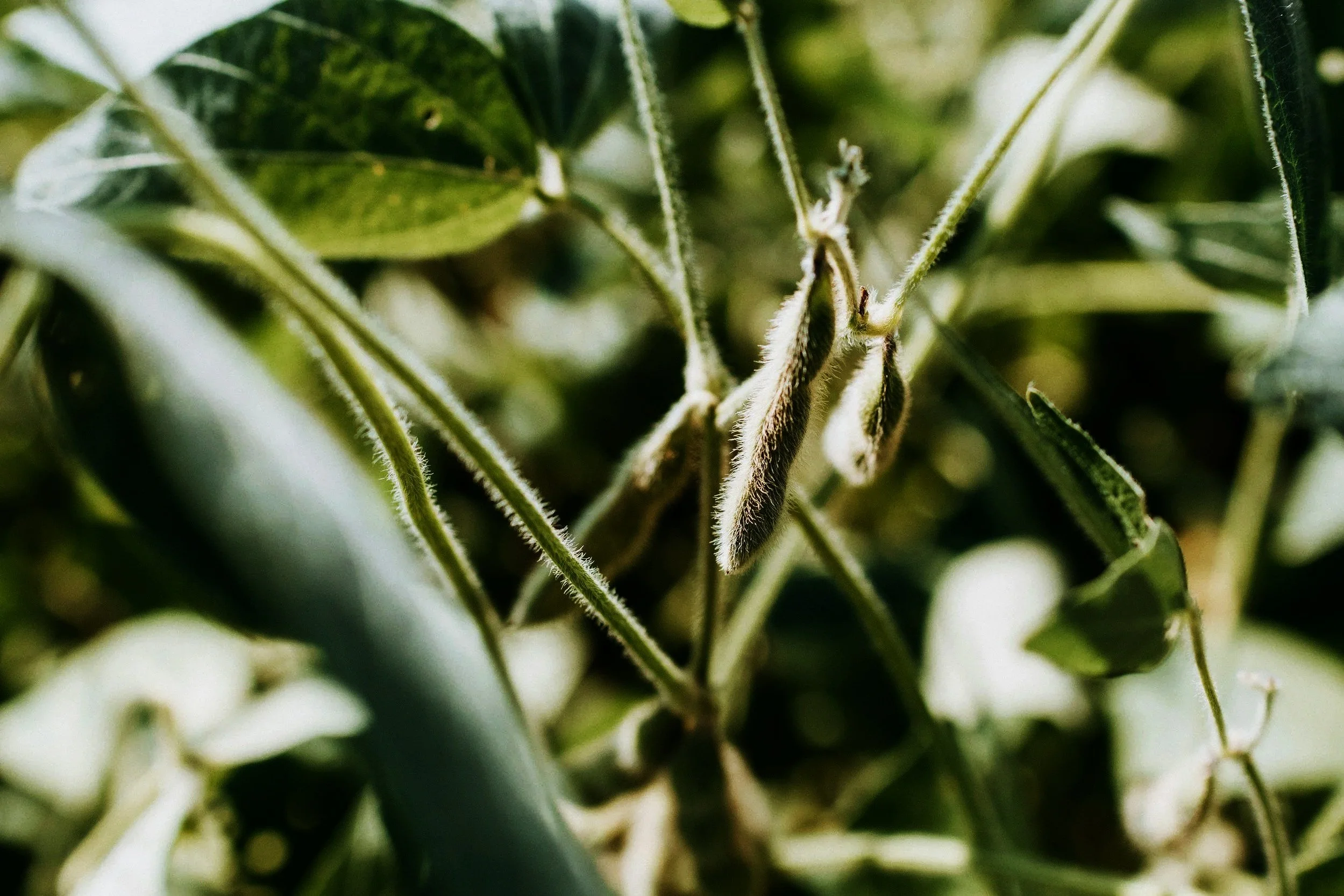
More plants on more plates starts with a seed.
Our Approach
Producers need markets that reward quality and nutritional value, not just volume. Agriculture is an inherently risky business, and farmers tend to grow what they have a reliable channel to sell into. Food companies need a trusted supply of food-grade crops and ingredients that can consistently produce high-quality, nourishing plant-based meat, eggs, dairy, milk, and other staple foods.
De-risking planting decisions, investing in midstream infrastructure, and building relationships between growers and markets that need reliable, domestic supply is crucial to unlocking the opportunity of plant-based agriculture and food production.
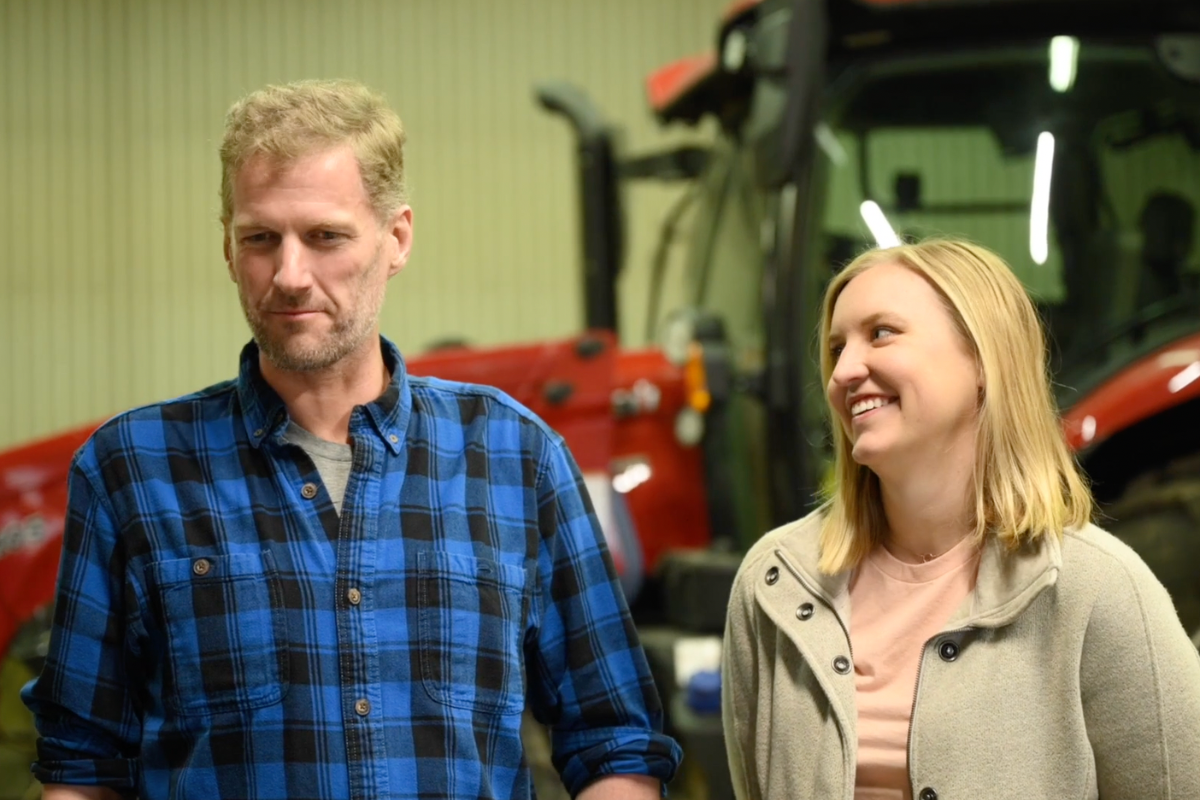
Watch: What We Learned From our SSI pilots
Our Sustainable Sourcing Initiative, a pilot program connecting plant-based food companies with domestic growers and processors, gave us a clear view of where the system actually breaks down, and what it takes to move it.
How we align interests across the value chain.
Creating regional opportunities that connect producers to new food markets
We identify and develop regional opportunities that match crops being grown — or that could be grown — with buyers who need reliable, high-quality, domestic supply. Building these connections before planting season helps de-risk decisions for farmers.
Facilitating relationships between growers, processors, and food manufacturers
We forge direct connections between domestic growers, processors, and plant-based food manufacturers — making ingredient sourcing more consistent and scalable. As sister organization to PBFA, we bring real-time market insight to this work.
Supporting development of processing and manufacturing infrastructure
A farmer can grow food-grade soy, peas, or fava beans but without nearby milling and processing, these crops never become tofu, nuggets, flour, or pasta. We work to expand local processing and milling capacity, matching infrastructure to crops that can be grown regionally.
Documenting and sharing learnings to accelerate replication
We capture what works across our pilots and partnerships and share it openly — so the infrastructure we help build in one region can accelerate replication elsewhere.
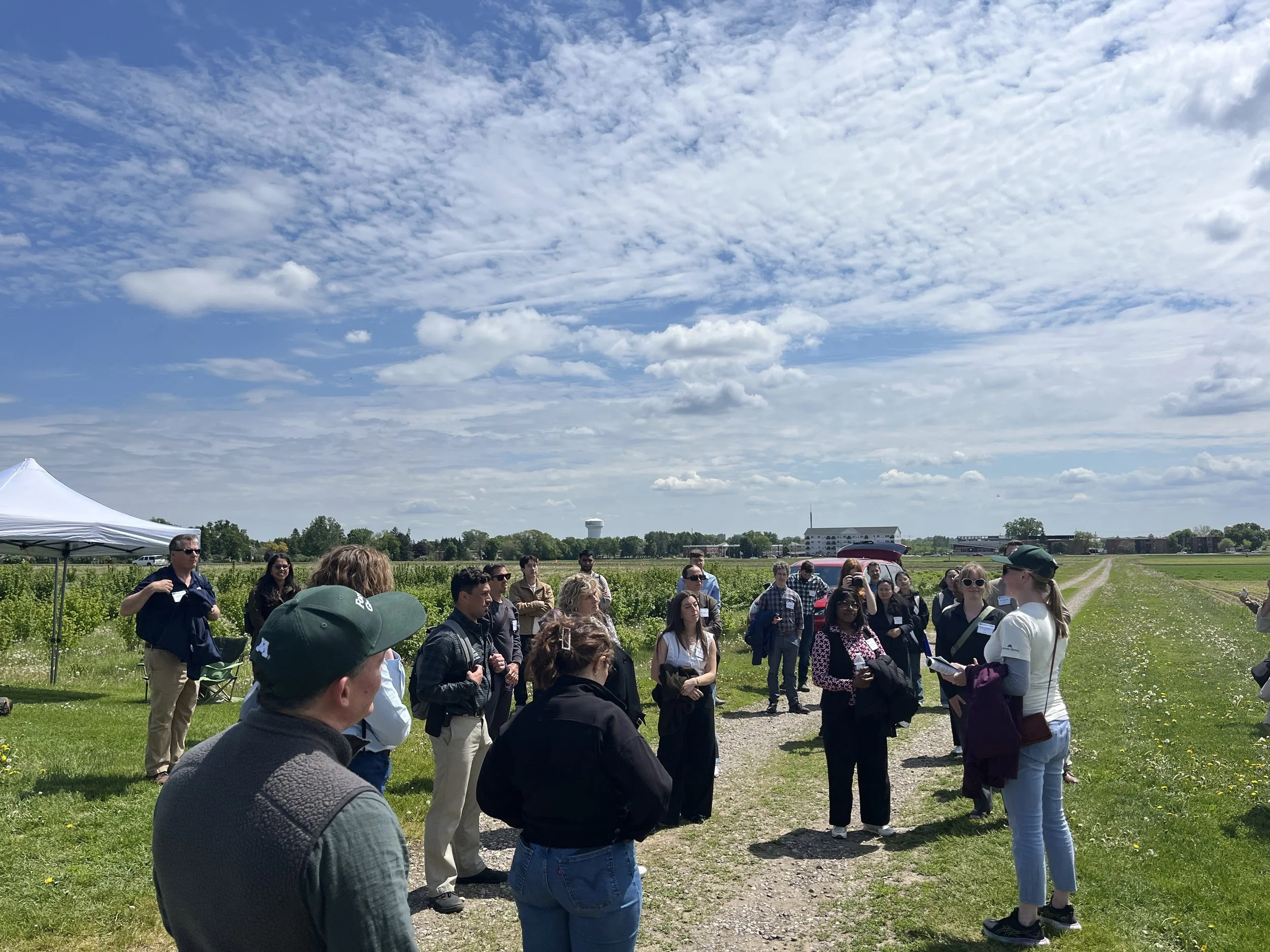
Value chain work in action: