Policy
development
Uniting partners to co-create a policy agenda to build stronger, more durable plant-based food value chains.
Advancing federal food and agriculture policy to put more plants on more plates
Federal agricultural programs from crop insurance, commodity support payments, research and extension, and conservation programs were designed around a narrow set of commodity crops. These crops are largely channeled into indirect or non-food uses rather than fed directly to people.
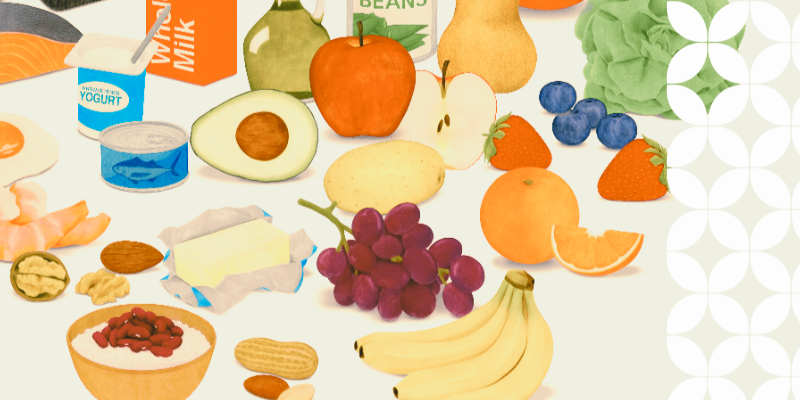
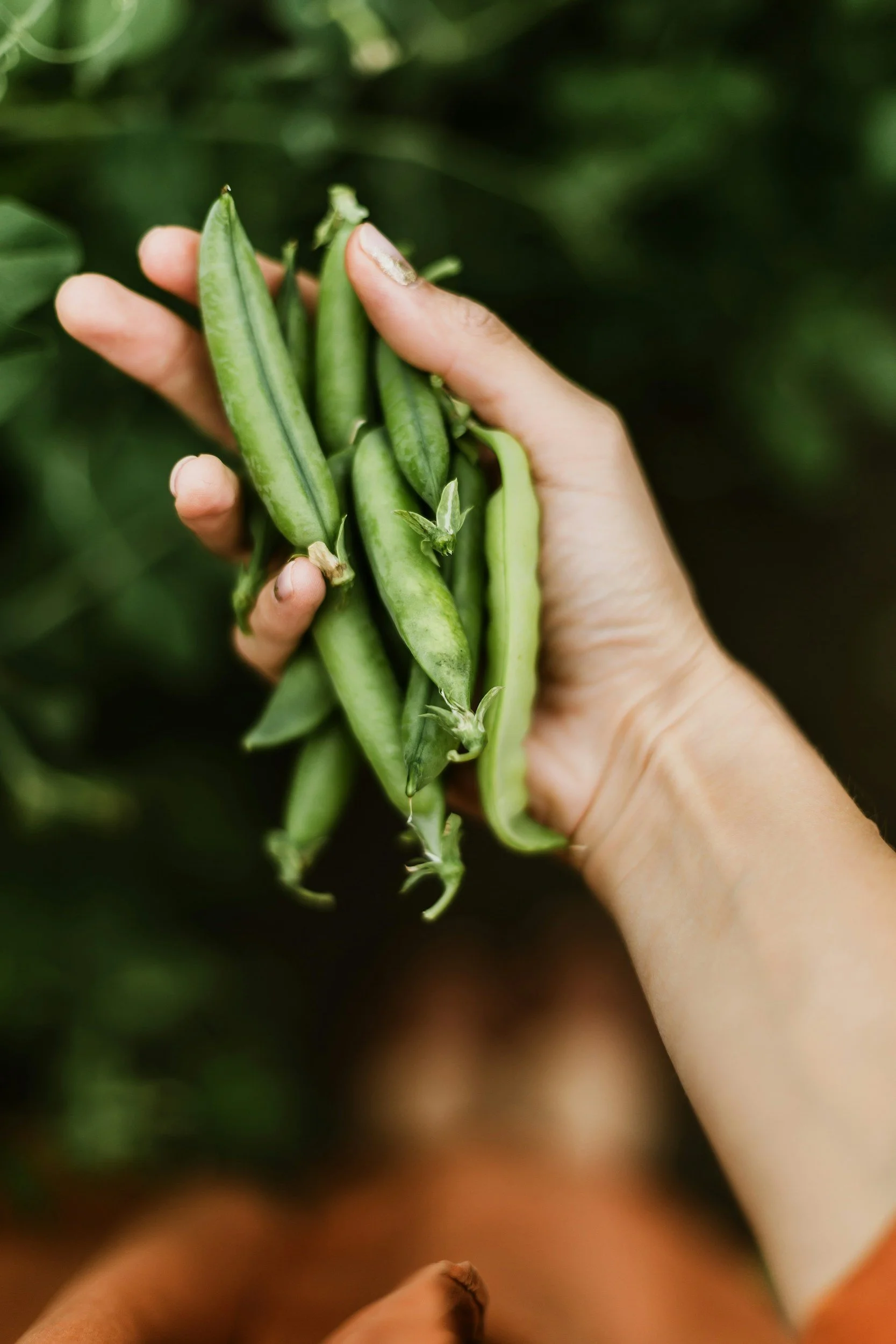
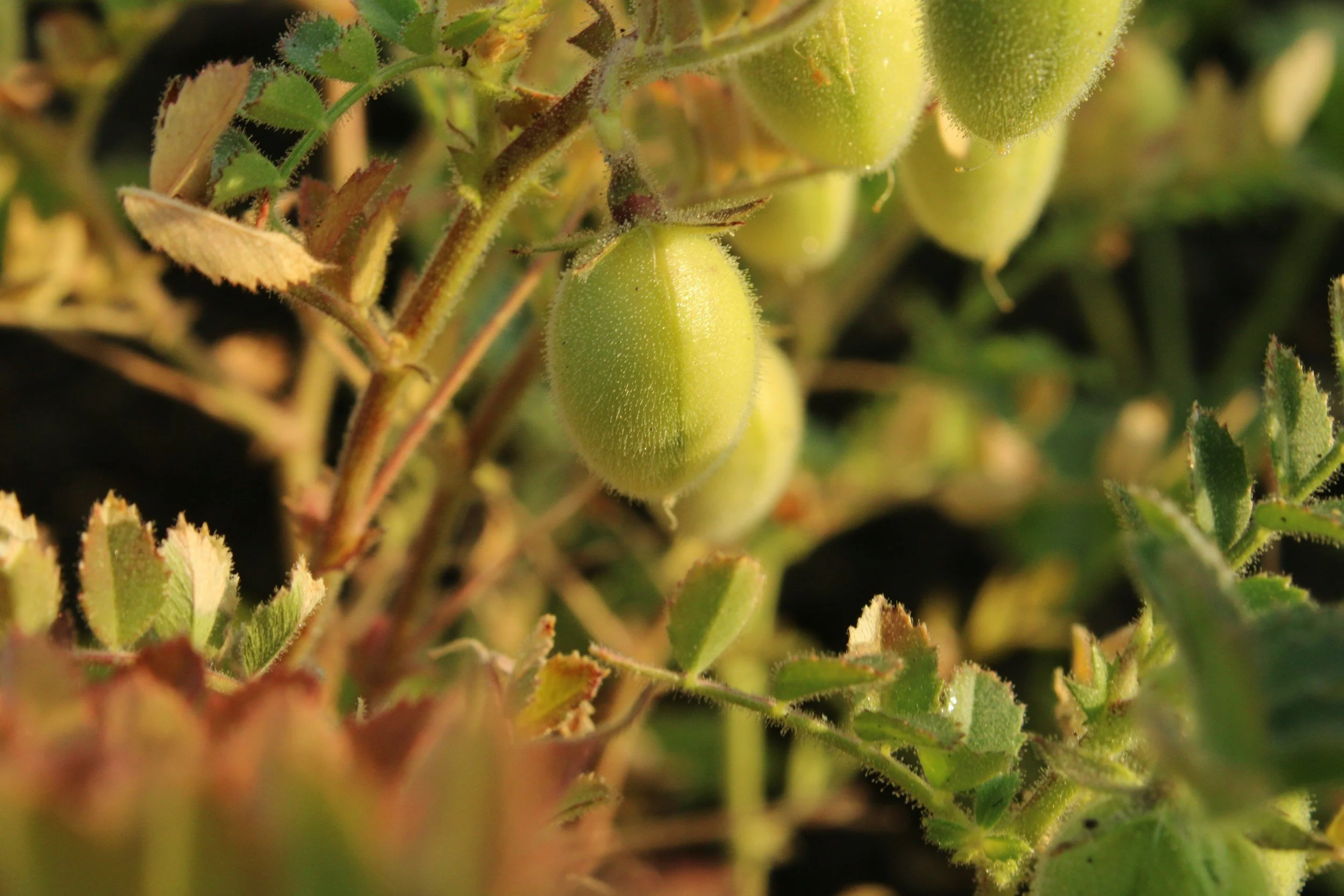
A multifaceted coalition of partners recognizes the importance of extending government support to specialty crops, including legumes, grains, nuts, mushrooms, and vegetables, which become the protein- and fiber-rich foods that Americans increasingly reach for.
Changing what is grown requires changing how we invest public dollars to bridge the gap with private capital. It requires building out the middle of the supply chain, including financing for regional processing and aggregation hubs. And it demands targeted investments in research, marketing and development, and value chain coordination.
1 in 10
U.S. farm operations grow specialty crops — the legumes, grains, and vegetables that feed people most directly.
75%
of all farm income goes to just 6% of farms, reflecting how current policy concentrates support.
-8%
decline in number of farms in the United States from 2017-2022.
Source: USDA NASS, 2022 Census of Agriculture, February 2024 and USDA Economic Research Service, Farming and Farm Income data product, 2024.
How we advance plant-based policy
Tracking, analyzing, and advancing federal and state opportunities
We monitor the full landscape of federal and state policy opportunities for plant-based food development — from farm bill provisions and crop insurance reform to state-level agricultural programs.
Providing data and analysis to policymakers and advocates
We produce and share the market data, economic analysis, and on-the-ground evidence that helps policymakers understand where investment in plant-based food systems has the highest leverage.
Building coalitions with agricultural and public health stakeholders
We bring together crop breeders, researchers, producers, food manufacturers, public health advocates, and aligned organizations to advance shared policy priorities across constituencies.
Connecting federal policy work to on-the-ground market realities
We create opportunities for policymakers to engage directly with plant-based producers and manufacturers through curated industry events that bring the full value chain to life.
Policy work in action: