More plants on more plates.
We connect agriculture, markets, and public policy to make nutritious, affordable plant-based foods easier to grow, make, and enjoy.
Plant-based foods sit at the intersection of agricultural production, resource efficiency, and human health — making them one of the most practical levers available for food system change.
The opportunity is already taking root.
Consumers are eating more plant-based foods, from oat milk and black bean burgers to pea protein sausages and soy crumbles. Demand is scaling. The work now is building the supply chains, market architecture, and shared story to meet it.
60%
of U.S. households purchase plant-based foods.
$7.9B
U.S. retail sales for plant-based food in 2025.
2X
Americans following a plant-rich dietary pattern doubled from 2019-2022.
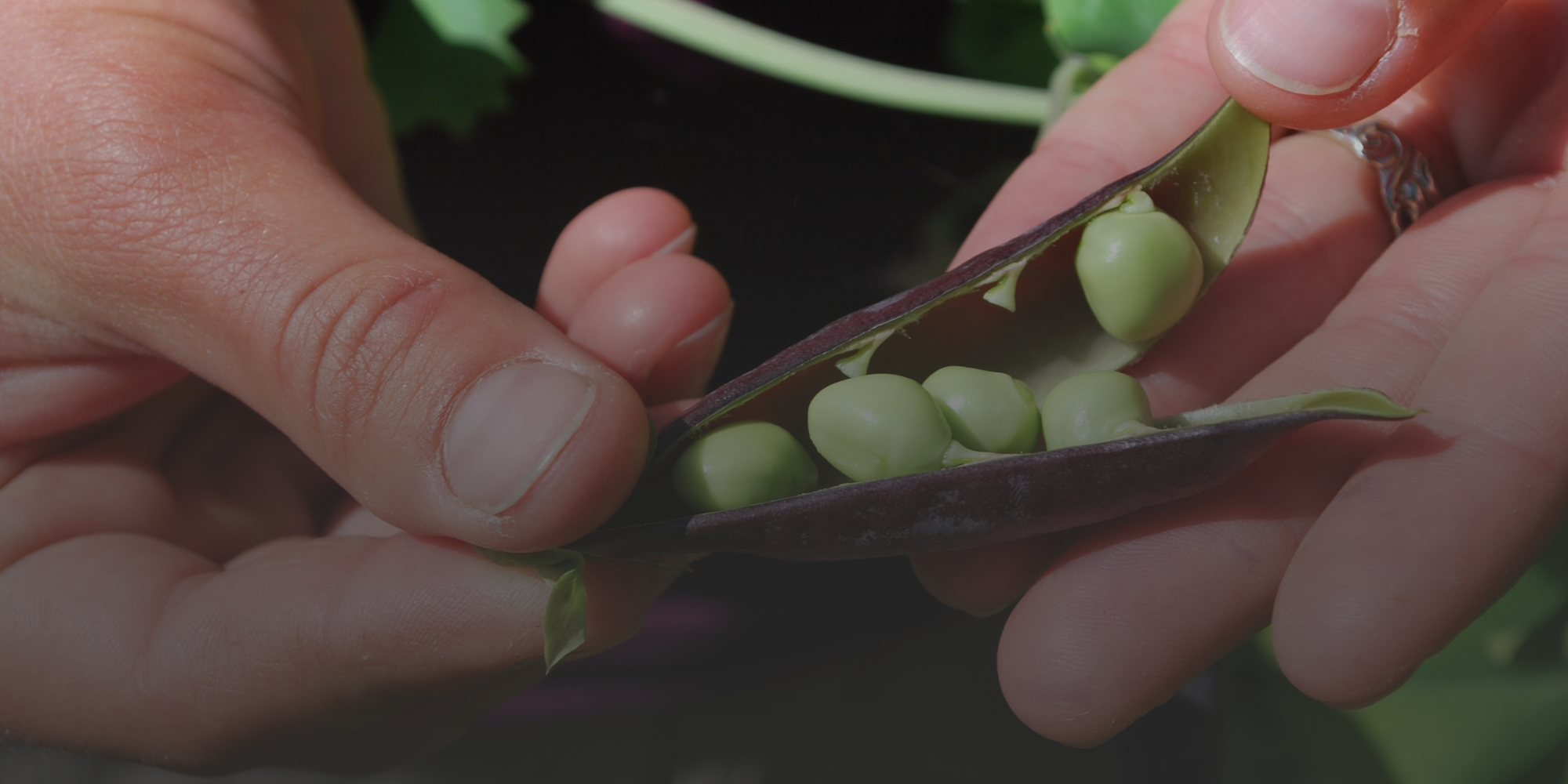
And yet, only 23% of calories from U.S. croplands end up on human plates.
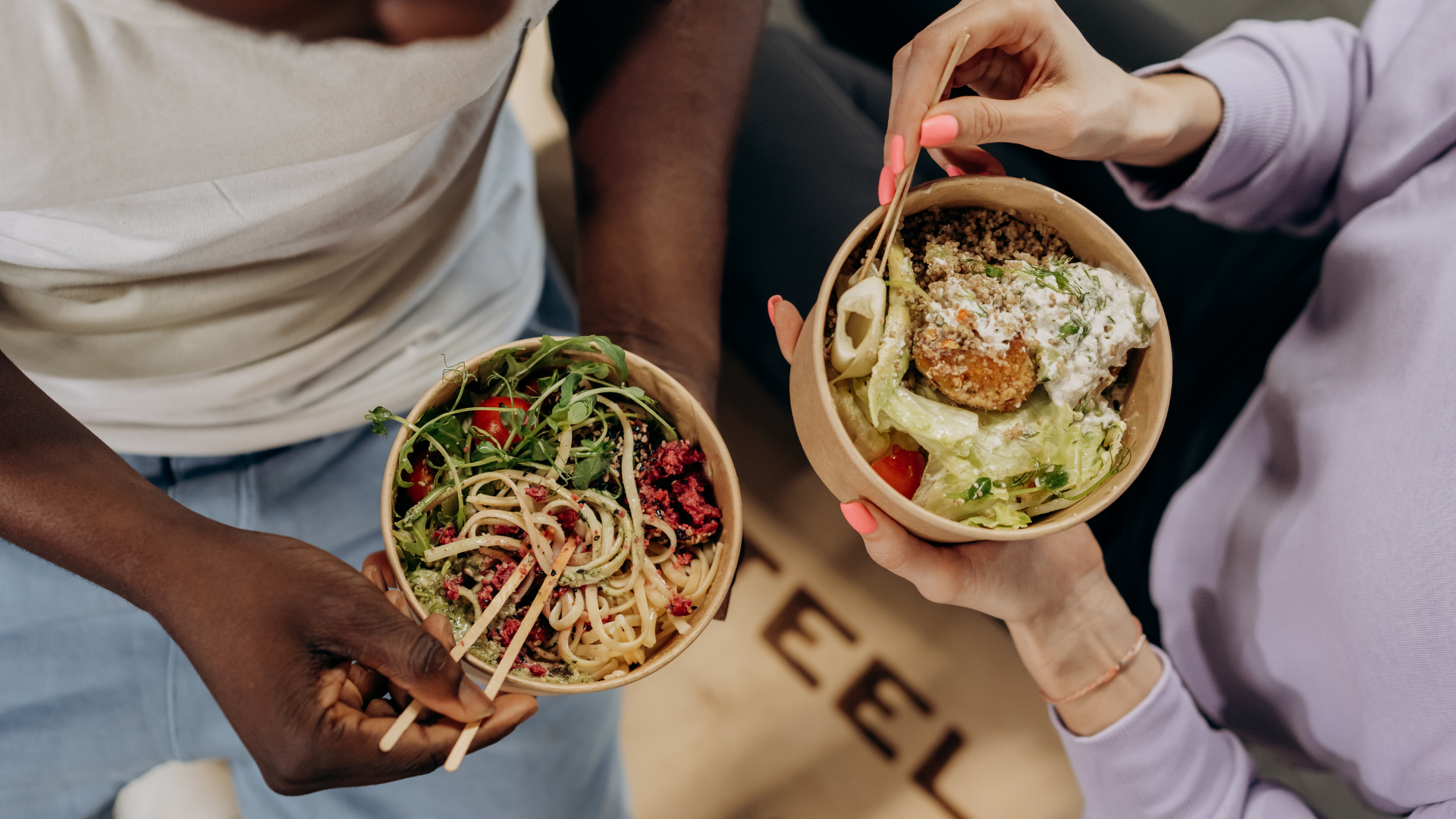
Growing more crops for direct human consumption means:

More nutritious food delivered per acre of farmland

Higher-value, more diversified markets for farmers

Less pressure on land, water, and ecological systems
PBFI is a value-chain builder and coordinator.
We serve as the connective tissue across food system actors who together determine what is grown, processed, manufactured, purchased, and eaten.
Who We Work With
-
We partner with university agriculture and extension partners who are pioneering and deploying on-farm research to develop high-quality plant proteins and food-grade crops. Supporting the connection between farmers and research is essential to accelerating the uptake of specialty crops (chickpeas, lentils, fava beans, food-grade soy) and ensuring they perform in specific regional climates and soil types.
-
We connect researchers, breeders, and farmers to open viable pathways for growing food-grade crops–the pulses, soybeans, legumes, nuts, and specialty grains that become the plant-based foods people eat. Through our Plant-to-Market Alliance, we connect farmers to regional food-grade markets and support the agronomic and economic transitions that make growing plant-based crops a viable business decision.
-
A farmer can grow food-grade soy, peas or fava beans, but without nearby milling and processing, these crops never become tofu, nuggets, flour, or pasta. Informed by the needs of our regional partners, we work to expand the expansion of local processing and milling capacity - matching infrastructure to the crops that could be grown regionally, thereby reducing transportation costs and improving margins for growers.
-
We help plant-based food companies build durable domestic supply chains for plant-based ingredients by connecting them with domestic growers and processors. By forging sourcing relationships that link to supply chain infrastructure, we make plant-based ingredient sourcing more reliable, consistent, and scalable. As the sister nonprofit organization to the Plant Based Foods Association, the U.S. trade association representing the plant-based foods industry, we bring real-time market intelligence and direct industry connections to this work.
-
We partner with retailers, foodservice operators, and institutional buyers to provide the insights, market data, connections, and tailored strategies that build confidence in plant-based sourcing. Our work also centers on shaping the consumer narrative, including building the evidence base and compelling storytelling to drive adoption and inform expansion of the sector.
-
We track federal and state policy opportunities for plant-based crop support, build coalitions with agricultural and public health stakeholders, and provide data and analyses to policymakers and advocates. We also create opportunities for policymakers to engage directly with plant-based producers and manufacturers through curated industry events that bring the full value chain to life.
Find your place in this work.
Whether you grow crops, source ingredients, shape policy, or invest in food system change - there's a role for you here.
-
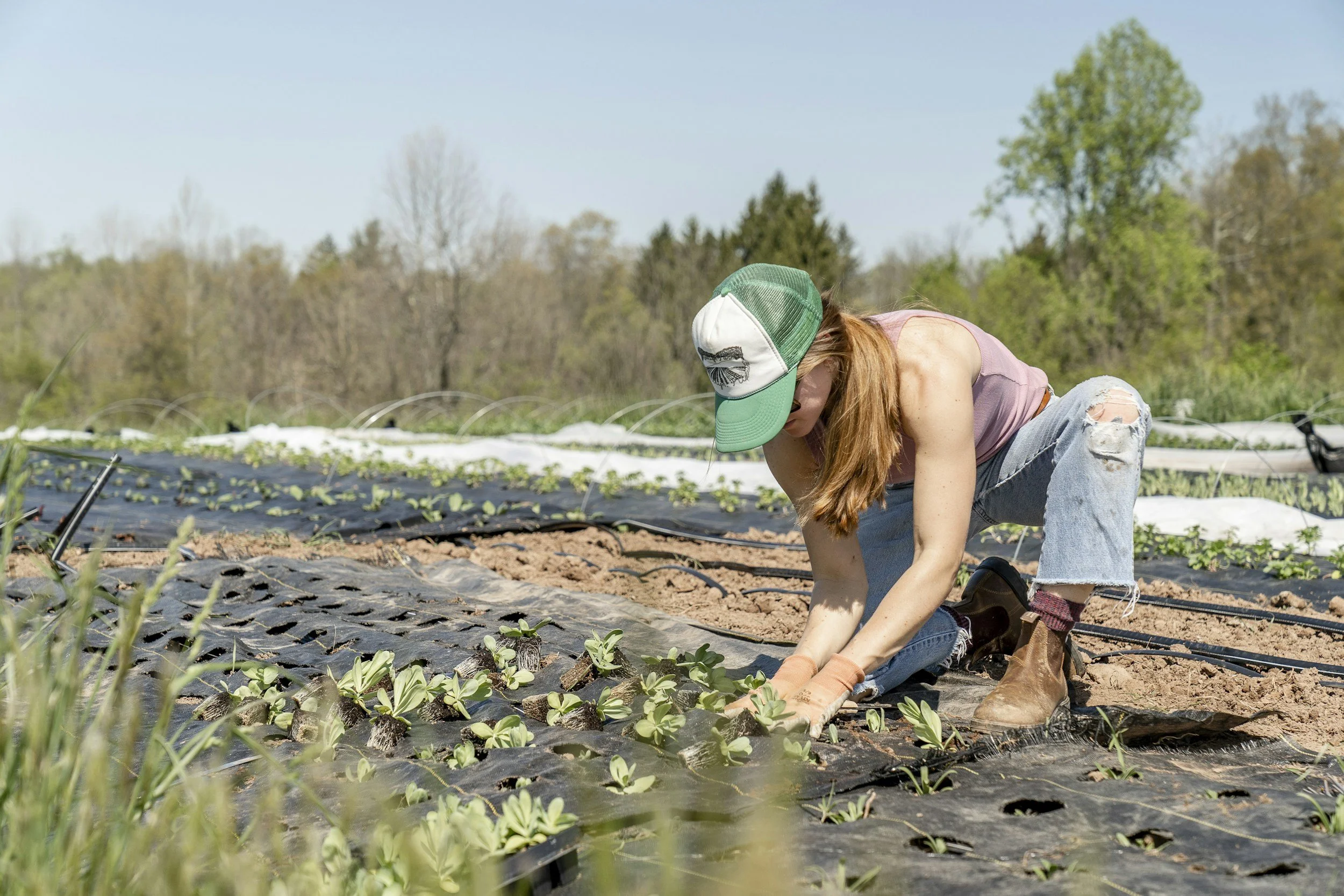
Growing plant-based crops or thinking about diversifying your operation? Our knowledge hub offers resources to support your entry into the $30 billion + global plant-based sector. We are also developing a platform to connect U.S. growers to food-grade markets and institutional buyers.
-
Want to increase your plant-based sales and strengthen domestic supply chains? We provide data and insights that can help. We work with manufacturers, retailers, and foodservice operators to enact strategies that make plant-based growth sustainable and cost-effective.

-
We engage with federal and state policymakers to increase public support for plant-based research and development, food and agricultural production, market access and development, marketing, and more. We make the case for where investment has the highest leverage.