How Policy, Marketplace, and Value Chain Work Aligns to Grow More Food for People
The U.S. has the agricultural capacity to grow far more food for people than it currently does. The land is there. The R&D infrastructure is there. The farmers are there. Consumer demand for plant-based foods is growing both at home and globally. Consumer demand for plant-based foods is growing. What's needed is the architecture — policy, infrastructure, and markets — that makes it profitable, reliable, and scalable. This is where PBFI works.
Leveling the Policy Playing Field

Today’s federal farm policies were designed for a different era with a different set of problems to solve. They were mainly designed to reduce hunger by maximizing production of a narrow set of commodity crops: corn, soybeans, wheat, and rice. The programs that emerged, from that era from crop insurance and commodity support payments to conservation programs, were calibrated for those crops and those markets. They have proven remarkably durable.
The result is a playing field that was not leveled by accident. Specialty crops, which include most of the vegetables, legumes, and grains that feed people most directly, receive a fraction of the federal support that commodity crops do. A farmer considering a transition to food-grade peas or chickpeas faces not just agronomic uncertainty, but a policy environment that offers little cushion if things go wrong. Crop insurance for specialty crops is limited. Conservation program payments favor established commodity rotations. Research funding overwhelmingly goes to crops that already dominate the landscape.
This creates a structural bias toward the status quo that no amount of consumer demand can overcome on its own. Changing what gets grown at scale requires changing what gets supported. That means updating crop insurance programs to cover a wider range of food-grade crops, reforming commodity support payments to create pathways for diversification, and directing public research funding toward the agronomic and market development work needed to make plant-based crop production viable across more regions.
Our policy agenda calls for leveling the playing field for plant-based crop production and development. That means removing the structural disadvantages that make transitions harder and riskier than they need to. And it means incentivizing new pathways for farmers to be profitable, supporting infrastructure funding for processing and manufacturing facilities, and creating programs that nourish students and families by making plant-based foods maximally affordable and nutritious.
Building Midstream Infrastructure
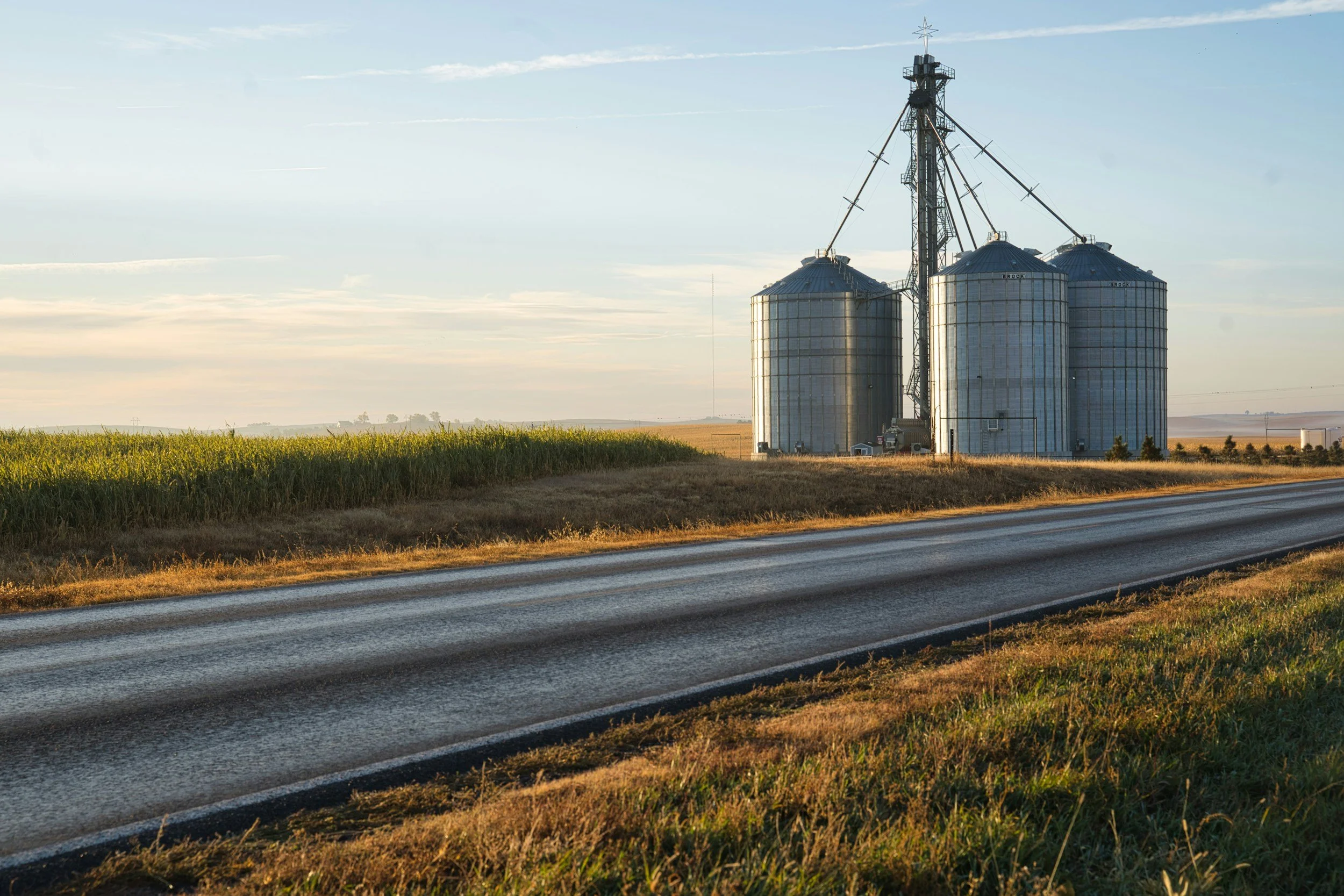
A farmer can grow the crop but if there's nowhere nearby to process it, it doesn't become food.
This is the infrastructure gap, and it is widening across the plant-based supply chain. The midstream of the American food system (the processing facilities, grain elevators, storage systems, distribution networks) was built for commodity volumes and commodity crops. This infrastructure handles corn and soybeans at extraordinary scale and efficiency. It was not designed for the food-grade diversity that a thriving plant-based food system requires.
What does this mean in practice? It means that a farmer in the Upper Midwest who wants to grow specialty peas or chickpeas for direct human consumption often can't find a processor within a viable shipping radius who can handle their food-grade crops. It means that the cost of transporting a specialty crop over long distances to reach appropriate processing often eliminates the margin that made growing it attractive in the first place. It means that even when buyer interest exists, supply can't reliably form around it.
The rise of regional grain milling and processing capacity is one of the most encouraging developments in the current food system landscape. Bringing processing closer to the source — matching infrastructure to the crops that could be grown in a region rather than routing everything through commodity-scale facilities — is one of the highest-leverage investments available. It reduces transportation costs for growers, improves margins, creates local economic value, and makes the entire supply chain more resilient.
Building this infrastructure requires capital, coordination, and patience. It also requires the market signals and policy conditions, addressed in the gaps above and below, that make investment viable. No single actor can close this gap alone. That's precisely why coordination across the value chain matters.
Supporting Market Growth
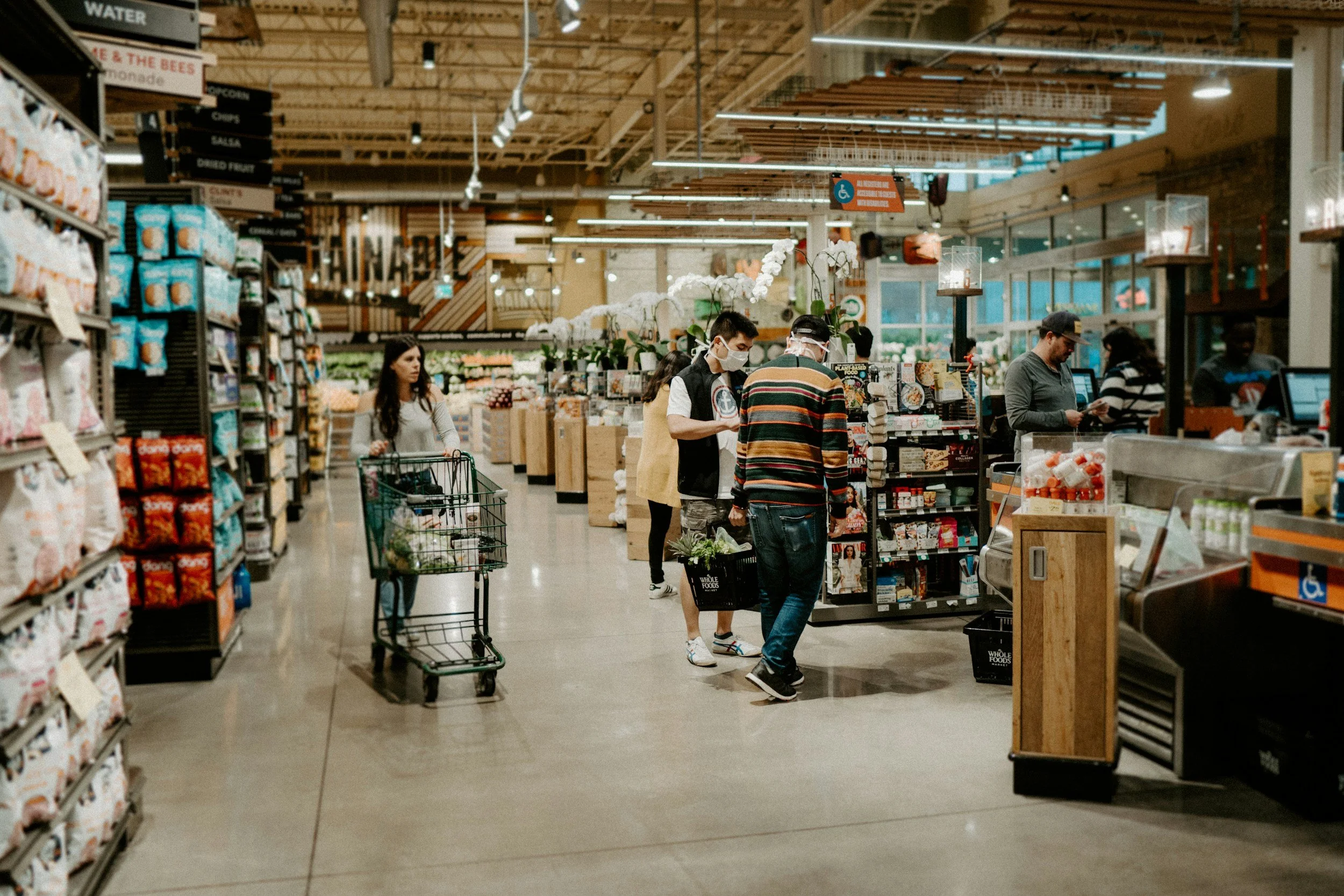
The fastest path to more food grown for people is building stable, long-term markets that make growing food-grade crops a reliable business decision instead of a risky experiment.
Farmers are pragmatic. They grow what they can sell at a price that covers their costs and leaves something for the next season. When asked what it would take to diversify into plant-based crops, the answer is consistent: a buyer, a price, and a contract before planting season. The demand signal has to precede the supply decision. That's how farming works.
Today, those market structures are thin. Purchase agreements between food manufacturers and domestic plant-based crop growers are the exception rather than the rule. Multi-year sourcing commitments — the kind that would give a farmer or processor the confidence to invest in new equipment, new seed varieties, or new agronomic practices — are rare. The connections between growing consumer and institutional demand for domestic plant-based ingredients and the farmers who could supply them are underdeveloped and often invisible.
Closing the market gap means building architecture: creating the mechanisms by which buyers and sellers can find each other, assess each other, and make commitments that hold. It means developing the price discovery tools, quality specifications, and aggregation infrastructure for crops that don't yet have established markets. It means working with foodservice operators, retailers, and institutional buyers like schools, hospitals, and universities to translate their plant-based sourcing intentions into concrete procurement pathways that farmers can plan around.
Producers need markets that reward quality and nutritional value, not just volume. Brands need reliable, domestic, food-grade crop supply. These interests are aligned. What's missing is the infrastructure that lets them find each other and act on that alignment.
Thinking Globally

These gaps are not unique to the United States. Plant-based food systems around the world are grappling with the same structural barriers–and in some cases finding solutions that U.S. actors haven't yet discovered.
PBFI serves as the engine of the Plant-Based Foods Global Alliance, a growing coalition of more than a dozen national and regional trade associations spanning the Americas, Europe, Africa, Asia, and Australasia. As the Alliance’s strategic lead, PBFI coordinates collective action, develops shared resources, and provides hands-on support so that plant-based industry organizations around the world can operate with greater alignment and impact.
PBFI is currently leading a major initiative to shape and deploy a refreshed global industry positioning that helps Alliance members showcase the breadth of plant-based foods (from tofu and pulses to oat milk and sausage), grounds the sector’s value in nutrition, economic opportunity, and sustainability research, and speaks directly to the retailers, food companies, multilateral agencies, and policymakers who shape market conditions.
This work is built on a foundation of global collaboration backed by targeting funding. PBFI has sponsored consumer research across seven countries demonstrating that shoppers are not confused by plant-based labeling, co-organized international convenings that brought companies, trade groups, and policymakers to the table, and funded international policy efforts to defend against labeling restrictions that threaten to pull products from shelves.
The barriers to plant-based growth are not unique to any single market and neither are the solutions. PBFI works at both scales by building a domestic value chain in the U.S. while strengthening the global infrastructure the sector needs to grow together.
Learn about the Plant-Based Foods Global Alliance →
The Through-Line
These three gaps–policy, infrastructure, and markets–are connected problems. They are the same problem viewed from different angles, and they reinforce each other in ways that make each one harder to solve in isolation.
A farmer who can't get crop insurance coverage has less reason to diversify, which means less food-grade crop supply, which means less reason for processors to invest in capacity, which means less reason for buyers to make sourcing commitments, which means less market signal reaching policymakers that transformation is warranted.
The loop runs in both directions. Correcting any one of these structural distortions makes the others easier to address. PBFI's work is designed to push on all three simultaneously, because that's what it takes to build a food system that works differently than the one we have.
