Why Plant-Based?
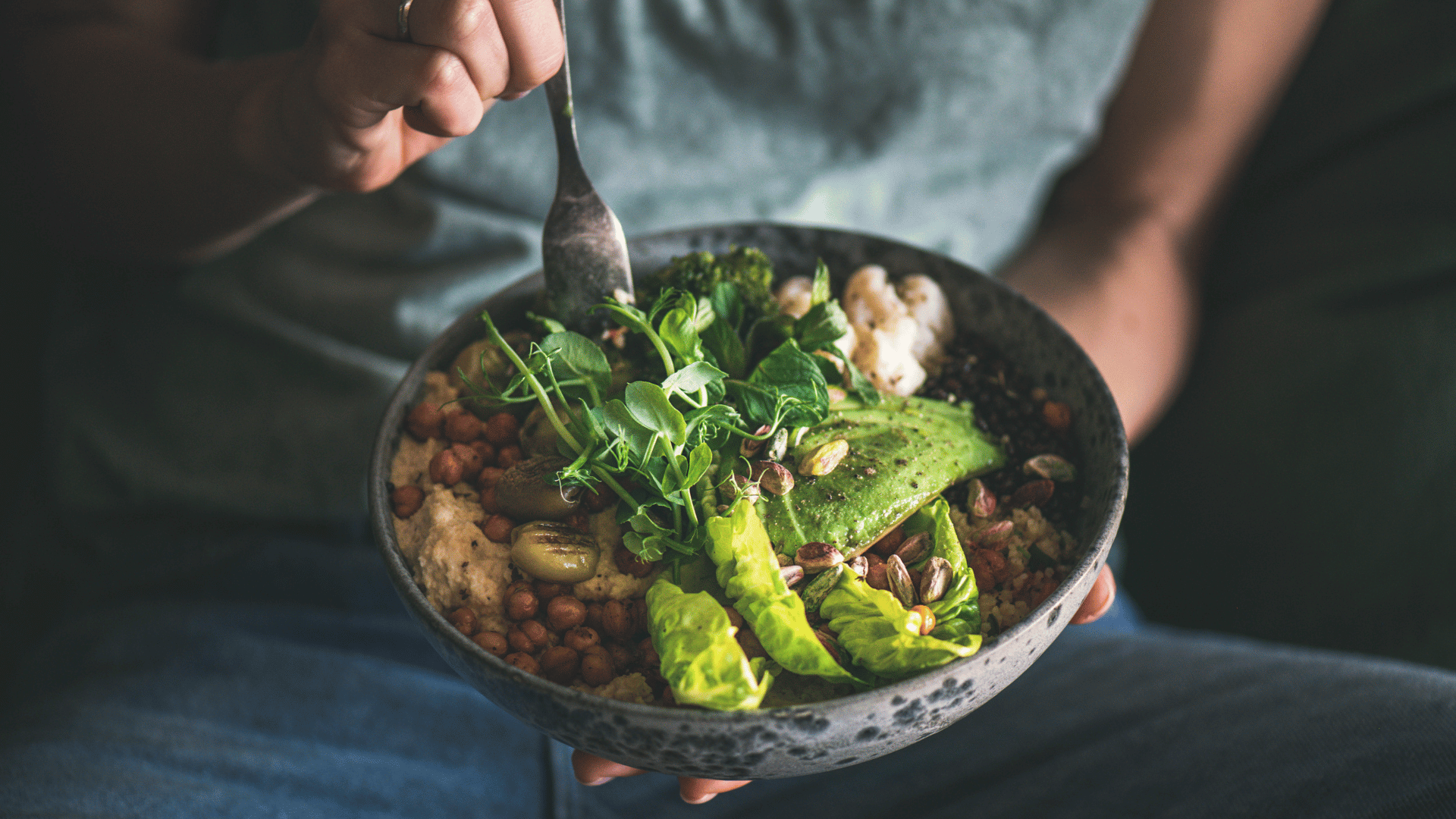
The strongest food systems are the ones that feed people well close to home. Nutrient-dense plants–spanning a bountiful variety of vegetables, legumes, fruits, grains, and nuts–must be the foundation.
Plants have been at the center of human diets and agricultural traditions for millennia. Beans simmered low and slow. Vibrant fruits and vegetables bursting with flavor. Satisfying grains in a variety of shapes and sizes. Legumes stretched into stews that fed families across cultures and centuries.
Today's plant-based landscape opens a world of opportunity when we imagine what’s possible with plants: Mung bean omelets and mushroom jerky. Soy yogurt and chickpea pasta. Pea-based protein and black bean tamales. Plant-based foods span the full spectrum from whole grain to value-added, from ancient staple to culinary innovation.
What is Plant-Based Food?
Plant-based foods are foods made entirely from plants. They range from whole foods like vegetables, fruits, grains, legumes, nuts, and seeds to value-added foods made from plant ingredients. The spectrum is wide: spiced lentils and roasted chickpeas; tofu, seitan, plant-based milks and cheeses; and packaged foods that transform plant inputs into tasty, familiar formats we know and love.

What all plant-based foods share is that they convert crops directly into nutrition for people.
That single distinction has profound implications for how much land, water, and energy it takes to nourish someone. It also has profound implications for what we need to grow, where, and for whom.
