
Trends, Sourcing, and Opportunity from Expo West: How Plant-Based is Evolving
Natural Products Expo West is the largest CPG show in North America, drawing tens of thousands of food industry professionals to Anaheim each year for an annual pulse-check on where the food industry is headed. It’s where emerging trends get their first major public airing, value chain relationships are built and deepened, and the conversations happening across the food landscape spill onto a showfloor packed with innovation. From established household names to early-stage startups debuting their first product, Expo West offers a uniquely compressed view of the forces shaping what Americans eat.
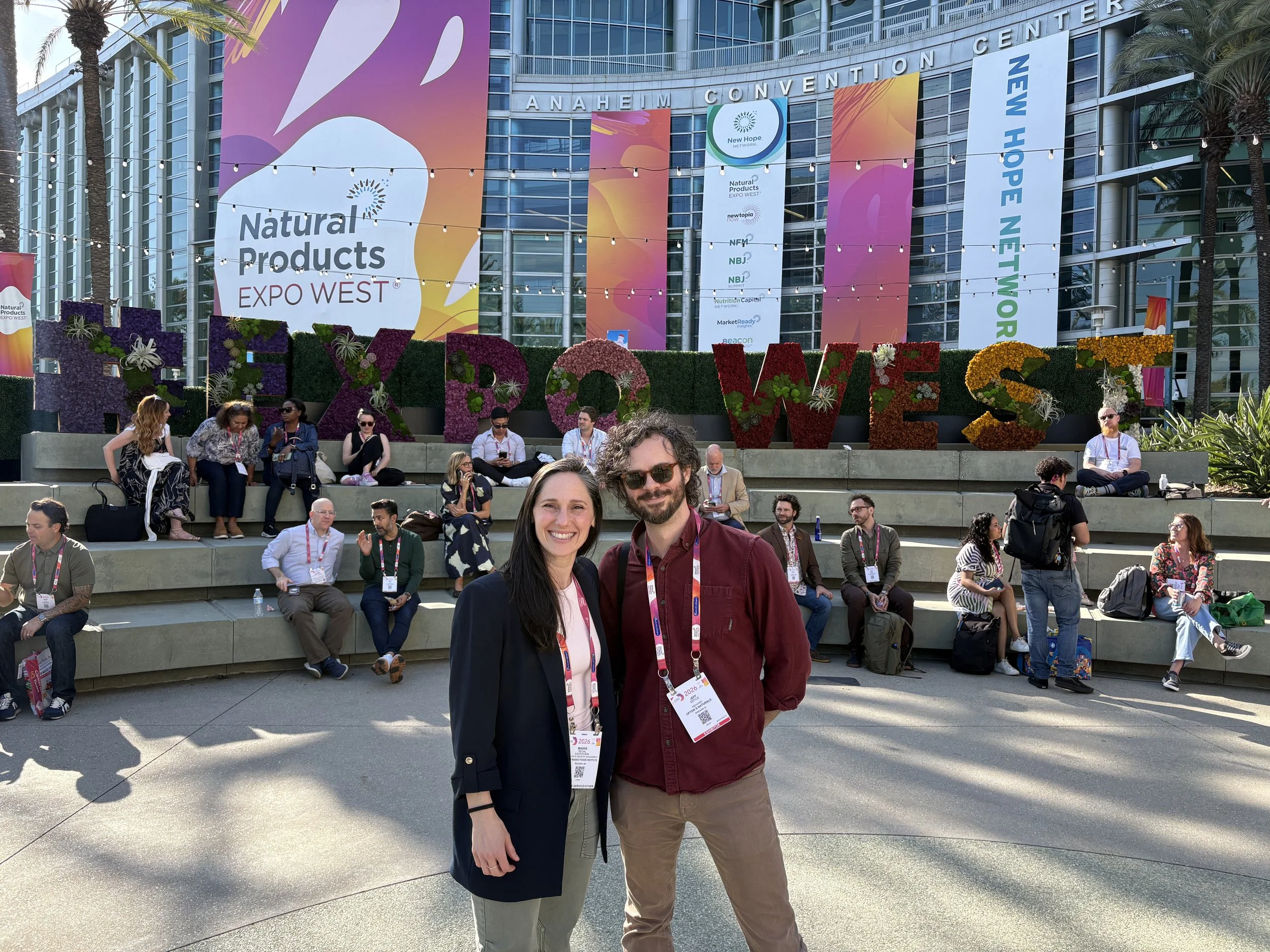
For the Plant Based Foods Institute, the show is a unique opportunity to connect with the brands, retailers, and value chain partners who are building the plant-based food system from the ground up. This year, PBFI's Maddie Segal and Jeff Doyle attended the show and came away with a nuanced picture of where the plant-based industry stands and, more importantly, where the opportunities lie.
In years past, plant-based foods have been a dominant presence at Expo West, with hundreds of brands leading with the label and riding a wave of mainstream consumer interest. This year, it was clear that the plant-based category is maturing, the competitive landscape is shifting, and the brands finding traction are those that have moved beyond broad claims to something more specific, more grounded, and more resonant with where consumer culture is headed.
Trends: Protein Now, Fiber Next, and the Rise of "Real"
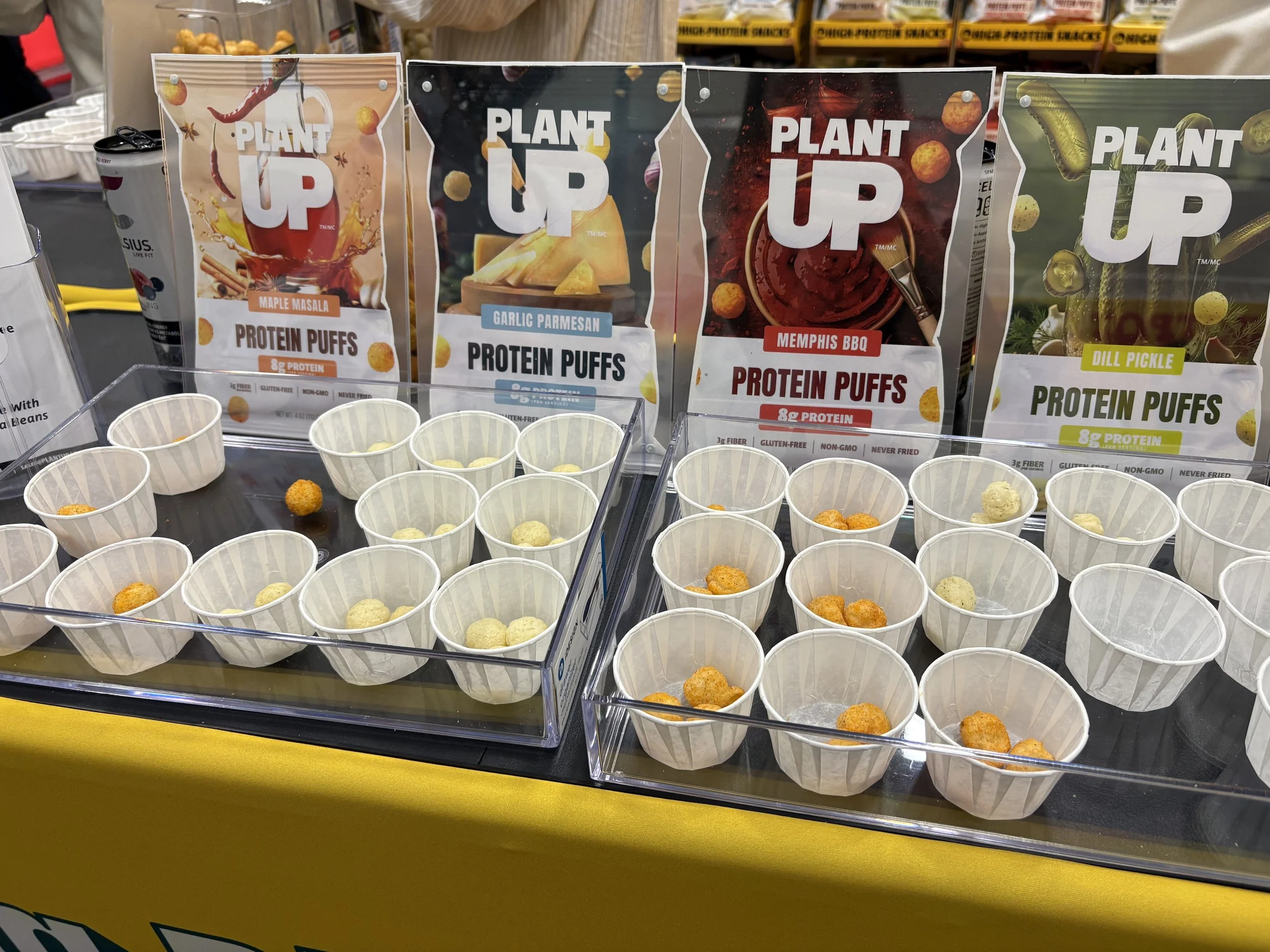
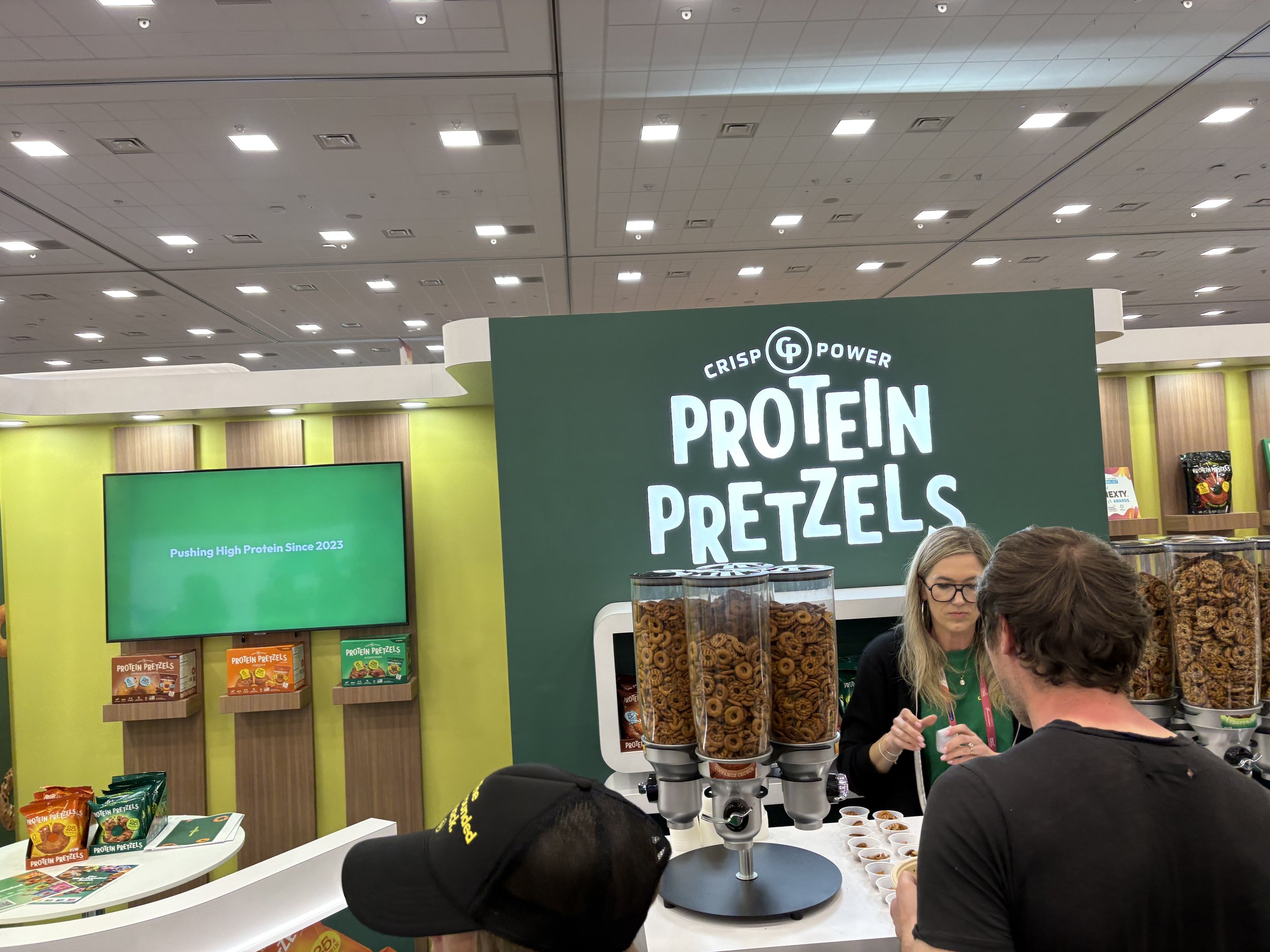
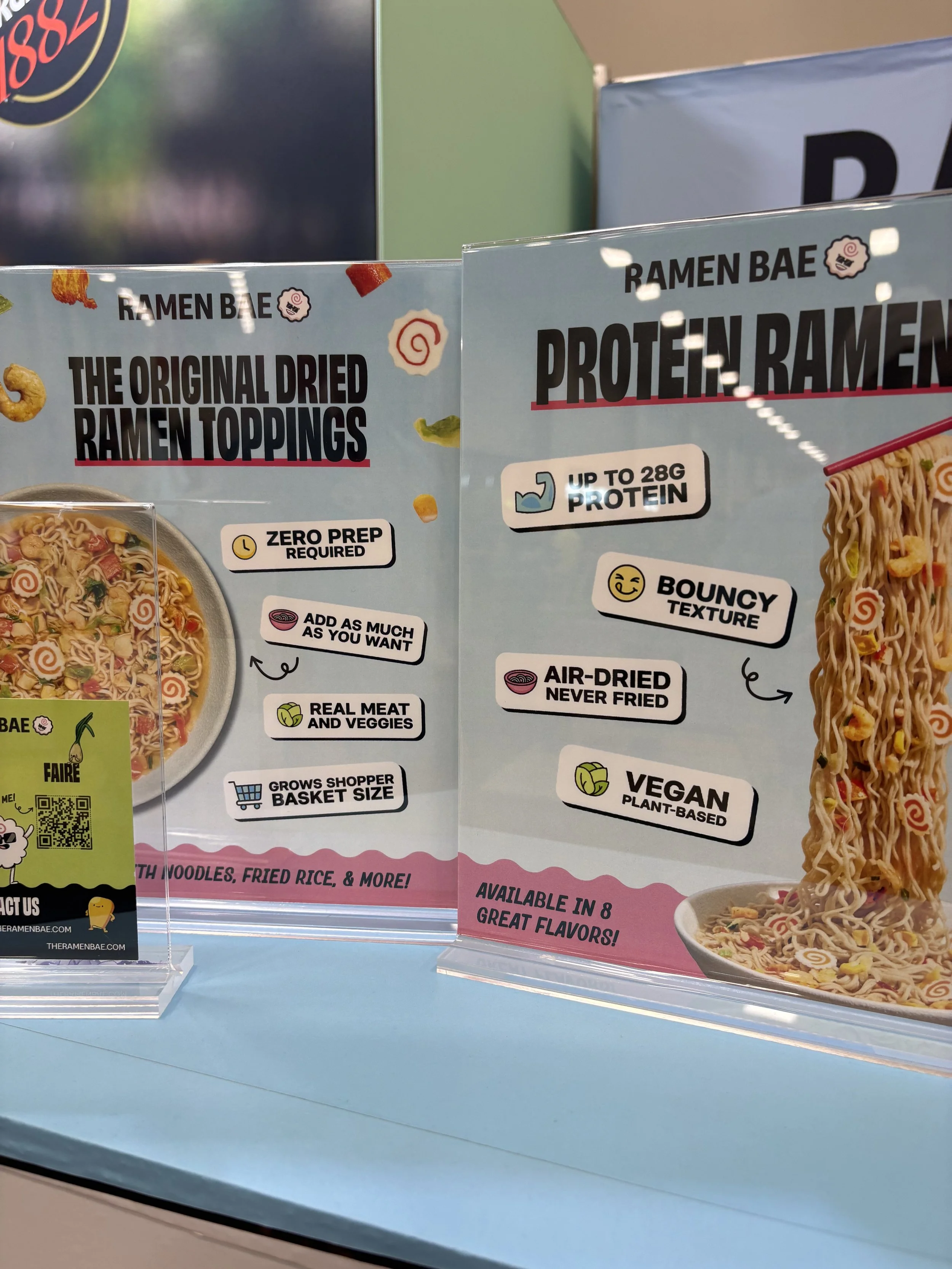
The single most visible theme at this year's show was protein. It was being added to everything – pretzels, functional beverages, candy, pudding, and water. The influence of GLP-1 consumer interest and "protein-maxxing" was palpable across categories, with brands emphasizing protein in their marketing. The focus on protein has come in waves over the years - but there is real opportunity in diversifying how consumers think about protein sources. Plant-based brands offer a variety of ways to meet daily protein needs from ingredients like chickpea, soybeans, fava bean, specialty grains, and more.
Looking ahead, the PBFI team is watching fiber closely. In education sessions, “The Fiber Revolution: How America's Most Overlooked Nutrient is Reshaping CPG” panel was standing-room only, and the data presented reinforced the strength of the trend. We expect fiber to be a dominant theme on the floor at next year's show and increasingly prevalent on retail shelves in the meantime. Plant-based foods stand out by offering consumers both fiber and protein. This value-added benefit conversation is likely to resonate even more in coming months.
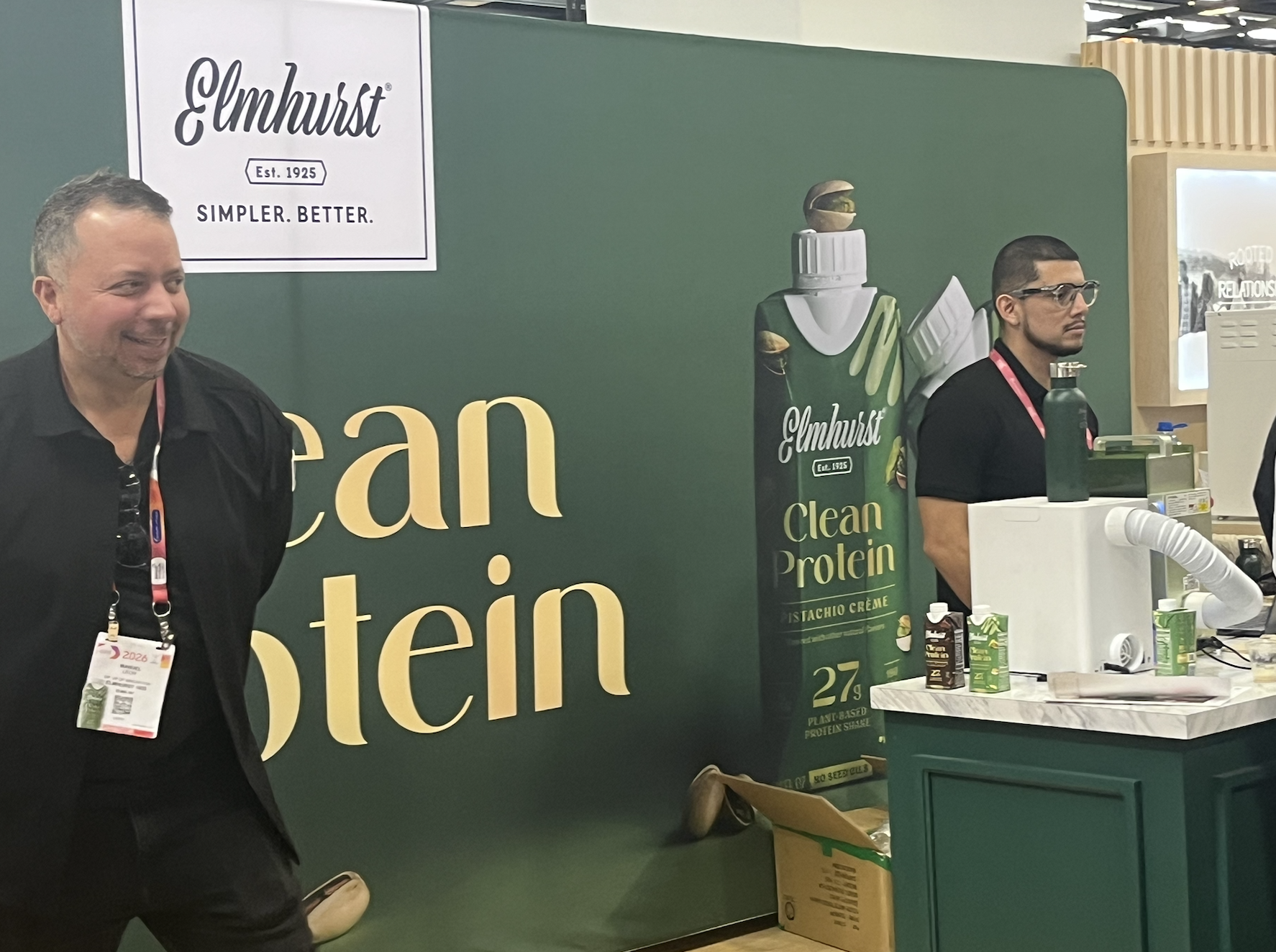
Running alongside both of these trends was a broader cultural shift toward "real" foods. Echoing the U.S. government’s launch of the RealFood.gov website and messaging for the most recent U.S. Dietary Guidelines, this theme signals a desire to be more clear and upfront about telling the story of what goes into foods we see on shelves. A number of plant-based brands were leaning into promoting transparency in their ingredient and nutrition profiles, including Daring, MyForest Foods, Elmhurst, and Eat Just. Companies like Madly Hadley stood out by emphasizing their fun flavors and the pleasure of eating more plants – an approach that felt fresh and consumer-friendly in a show dominated by functional posturing.
Connecting Sourcing and American Agriculture to Plant-Based
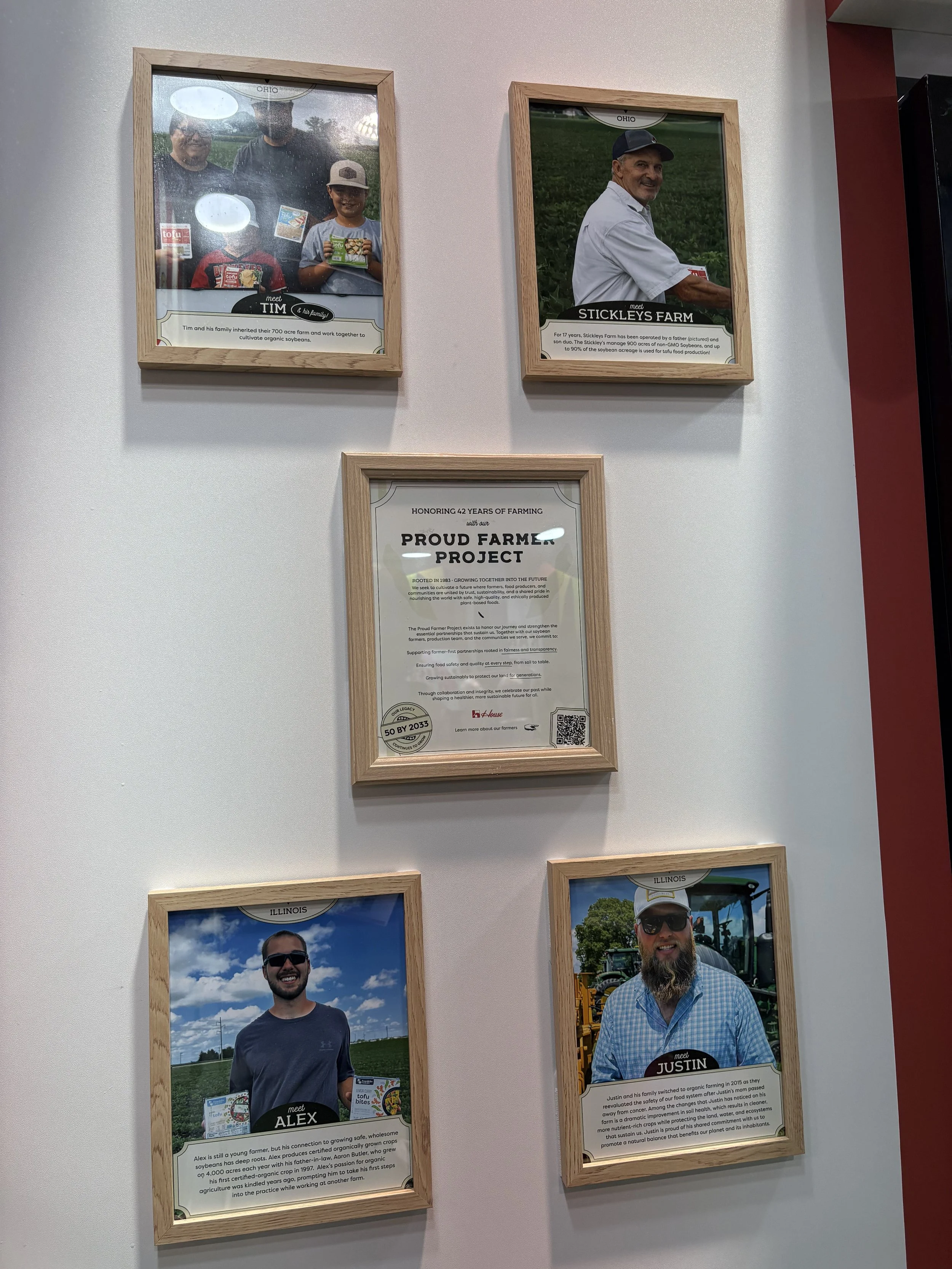
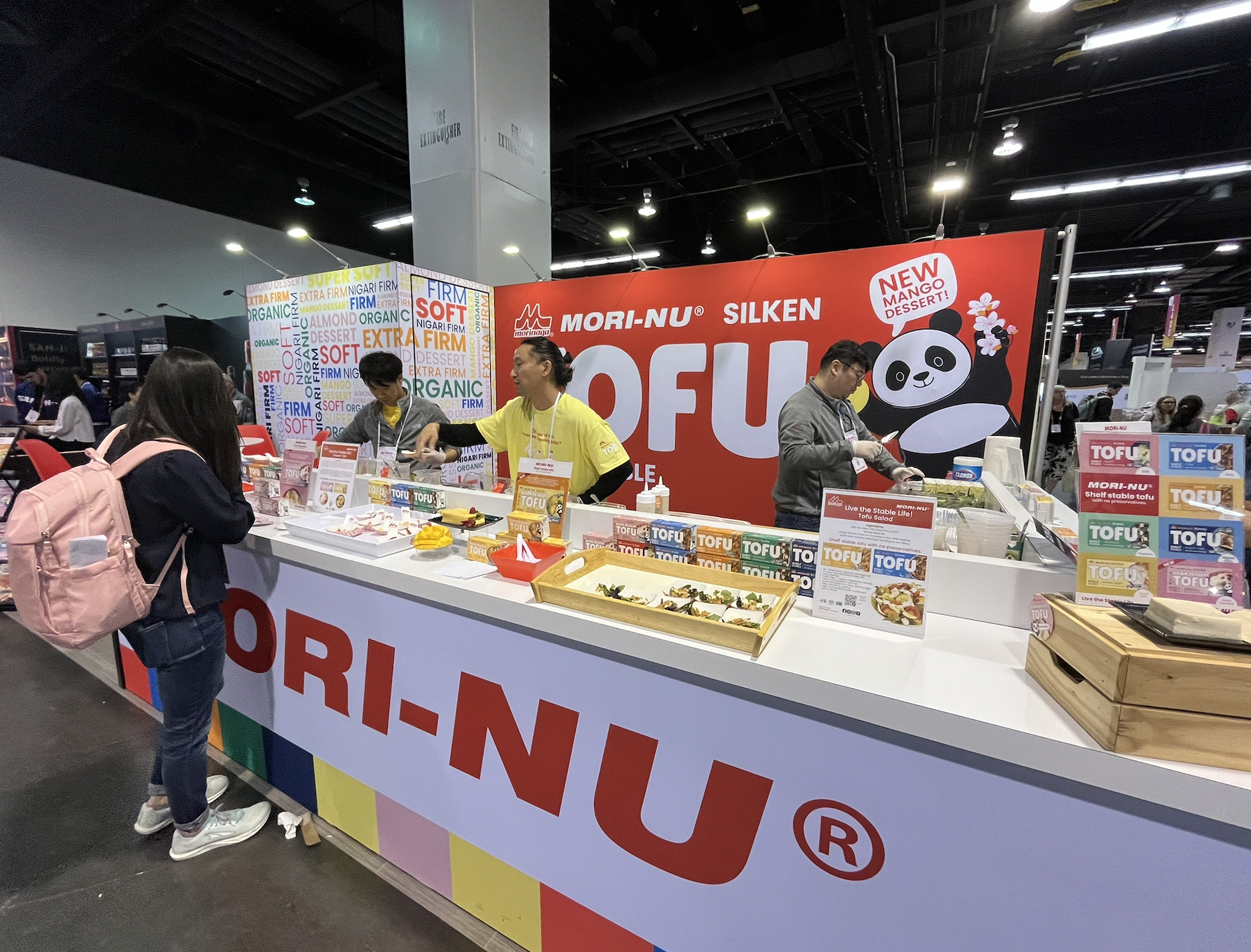
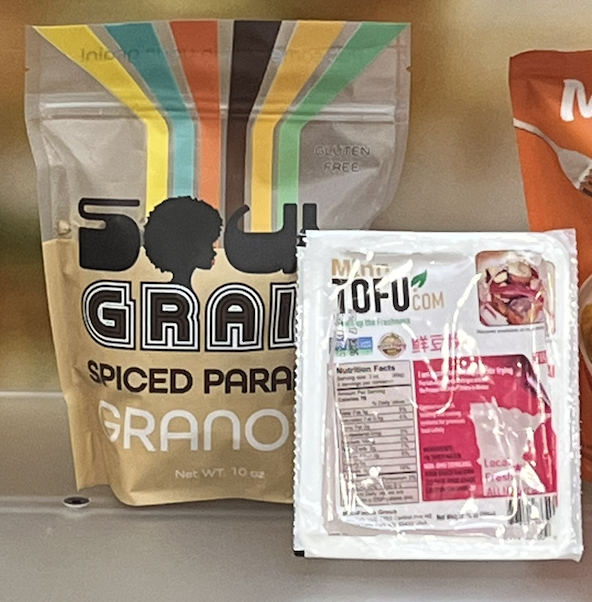
One of the most energizing threads at this year's show was the emergence of domestic sourcing as a brand differentiator. Several plant-based companies were not just sourcing from U.S. farmers – they were making it central to how they tell their brand story. House Foods’ Proud Farmer Project was a standout example, putting growers' names and faces front and center and drawing a direct line between the soybeans in their tofu and the American farmers who grew them. Jenny's Tofu (Phoenix Bean) was similarly proudly celebrating their supply chain, sourcing and manufacturing soy in Illinois, highlighting – a compelling story for the category.
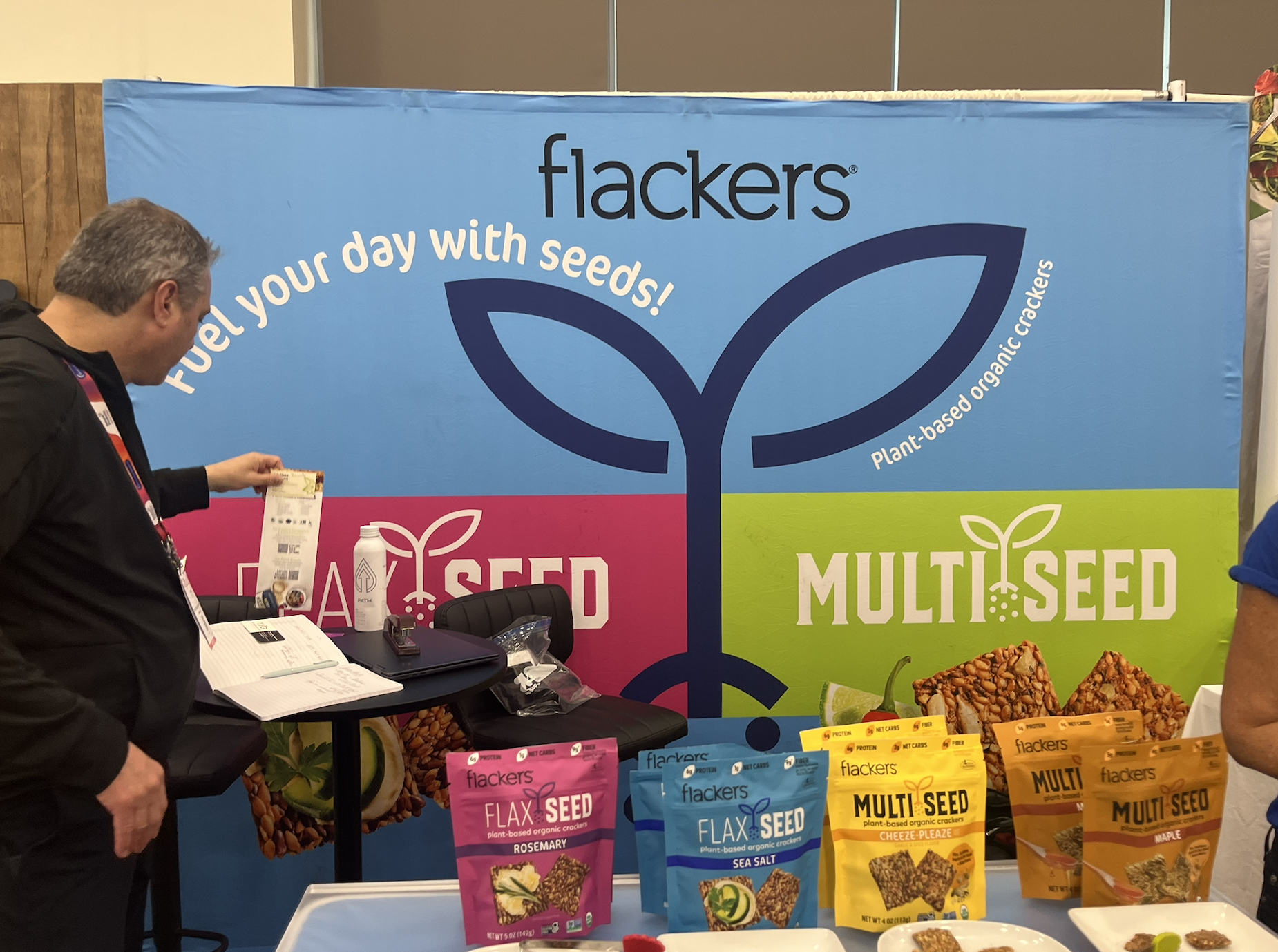
The Minnesota Department of Agriculture pavilion was a notable sign that momentum is building to connect plant-based foods with regional food systems and agricultural market development. By helping cover booth costs for local brands, the state is making a visible investment in the plant-based sector as an agricultural and economic opportunity. Seven Sundays, one of the pavilion's anchor brands, brought that opportunity to life. The company is embedded in a regional food network, with sourcing relationships that go beyond logistics and reflect a more connected value chain. Alongside other Minnesota-based brands at the show like Field Theory and Flackers, it demonstrated how the Midwest is becoming an increasingly important hub for plant-based food production.
Beyond tofu and grains, the sourcing story is expanding. Simpli is sourcing ROC-certified black beans and chickpeas from California and pinto beans from Idaho for their product lines. Pecana, a Texas-based organic pecan milk company, proudly tells their story as third-generation pecan farmers to build trust with consumers and communicate connection with the land. These are not incidental details – they are the story. Consumers and retailers are increasingly receptive to hearing it.
More to Come
The throughline across trends and themes from the show is the importance of authenticity. Consumers want to hear a story that connects the product to something real, whether that's a farming family, a regional food system, or the delicious experience of trying new flavors and options available in plant-based options.
PBFI will continue to track these developments and support brands and value chain partners in identifying and capitalizing on these opportunities. Stay tuned for more follow-up content from our conversations at the show, including a closer look at the domestic sourcing stories we're most excited about amplifying.
